블로그 약 True 4K Vs UHD Key Differences for Monitor Buyers

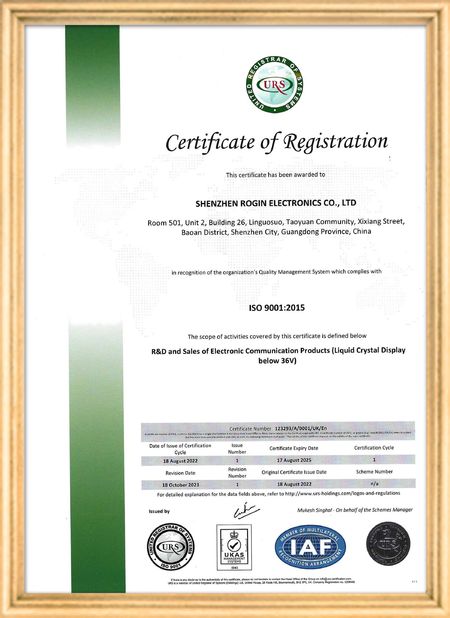
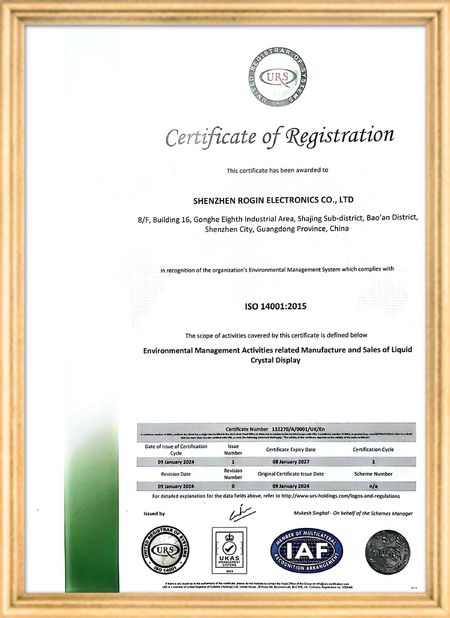
인증
중국 Shenzhen Rogin Electronics Co., Ltd. 인증
고객 검토
이 디스플레이는 전동차에서 완벽하게 작동합니다. 높은 밝기, 반등 방지, 그리고 장기적인 진동에도 안정적입니다. 승객들은 맑은 시야를 좋아합니다.

—— 카스퍼 소렌센

정확한 색상, 빠른 반응, 정상적인 낮은 온도 시작

—— 니콜 베커

쉬운 설치, 넓은 온도 범위, 밝은 환경에서의 뛰어난 가시성. 이 디스플레이는 당사의 모든 산업 장비 요구 사항을 충족합니다.

—— 조반니

이 높은 밝기의 LCD는 산업용 제어판에 적합합니다. 그들은 직접적인 작업실 햇빛 아래에도 결정적으로 맑고 문제없이 24/7 작동합니다..

—— 루카스 뮬러

제가 지금 온라인 채팅 해요
회사 블로그
True 4K Vs UHD Key Differences for Monitor Buyers
에 대한 최신 회사 뉴스 True 4K Vs UHD Key Differences for Monitor Buyers

Imagine your carefully crafted presentation appearing blurry on the conference room screen, or your meticulously rendered 3D model displaying distorted colors and lost details. The issue may not lie in the quality of your work but in the display you’ve chosen. Today, we examine the distinctions between "true 4K" and UHD displays to help you avoid common pitfalls and select the ideal professional display solution.

UHD vs. 4K: A Subtle but Critical Distinction

Many assume Ultra High Definition (UHD) and 4K are interchangeable terms, but they serve different purposes. UHD is a consumer-grade standard, while true 4K is primarily used in professional settings, particularly in film production and digital cinema.

UHD displays, often labeled as Quad Full High Definition (QFHD), feature a resolution of 3840 x 2160 pixels with a 16:9 aspect ratio—commonly referred to as "widescreen." This resolution quadruples that of Full HD (1920 x 1080), hence the "Quad" designation. UHD is widely adopted for televisions, gaming monitors, and general office use, delivering sharp and detailed imagery for everyday applications.

True 4K displays, however, adhere to the Digital Cinema Initiative (DCI) standard, with a resolution of 4096 x 2160 pixels and a 1.90:1 aspect ratio. The additional 256 horizontal pixels may seem minor, but they provide superior image precision and color accuracy, critical for professional workflows.

Origins of the Dual Standards

The divergence stems from industry needs. DCI established 4K to ensure filmmakers retain sufficient pixel data for post-production flexibility, preserving image quality across varying theater screens. UHD emerged as a consumer-friendly alternative, aligning with the 16:9 ratio of existing TVs to simplify manufacturing and maintain compatibility with mainstream content.

Identifying True 4K vs. UHD

To distinguish between the two, check the display’s specifications: 3840 x 2160 denotes UHD, while 4096 x 2160 confirms true 4K. Beware of ambiguous marketing terms like "4K UHD," which typically refer to UHD displays.

Professional Advantages of True 4K

While UHD suffices for general use, true 4K excels in specialized fields:

  • Film Production: Enhances detail for color grading and visual effects, ensuring fidelity to directorial intent.
  • Graphic Design & 3D Modeling: Delivers crisper lines, richer textures, and expanded workspace for multitasking.
  • Medical Imaging: Improves diagnostic accuracy with clearer visualization of scans.
  • Precision Engineering: Facilitates meticulous product inspection and measurement.
UHD: Ideal for Everyday Use

UHD shines in consumer applications:

  • Entertainment: Supports 4K video playback and HDR for vibrant, immersive viewing.
  • Gaming: Enables high-resolution gameplay with options for high refresh rates and low latency.
  • Office Productivity: Expands screen real estate for multitasking and reduces eye strain with sharper text.
Selection Guidelines

Choose based on needs and budget. Professionals should prioritize true 4K, while UHD meets most casual demands. Additional considerations:

  • Panel Type: TN for gaming, VA for contrast, IPS for color accuracy.
  • Color Gamut: Opt for ≥100% sRGB or 90% Adobe RGB for professional work.
  • Connectivity: DisplayPort supports higher resolutions and refresh rates than HDMI.
  • Features: HDR, FreeSync, or G-Sync may justify higher costs for specific use cases.
Conclusion

True 4K and UHD cater to distinct audiences. Understanding their differences ensures informed purchasing decisions. Prioritize functionality over specifications, selecting the display that aligns with your practical requirements.

선술집 시간 : 2026-05-13 00:00:00 >> blog list
연락처 세부 사항
Shenzhen Rogin Electronics Co., Ltd.

담당자: Mr. Kelvin Zhu

전화 번호: +86 15919061504

회사에 직접 문의 보내기 (0 / 3000)